Interview w/ J. Mark Eddy
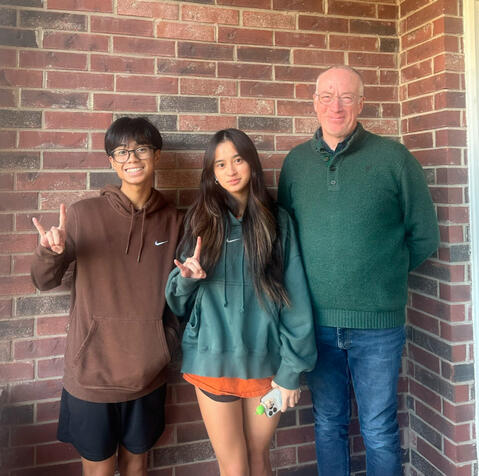
On January 12, 2025, we were able to host a meetup with J. Mark Eddy in order to discuss the psychological and physiological causes and affects of eating disorders and how they impact our community today.
INTERVIEW DISCUSSION
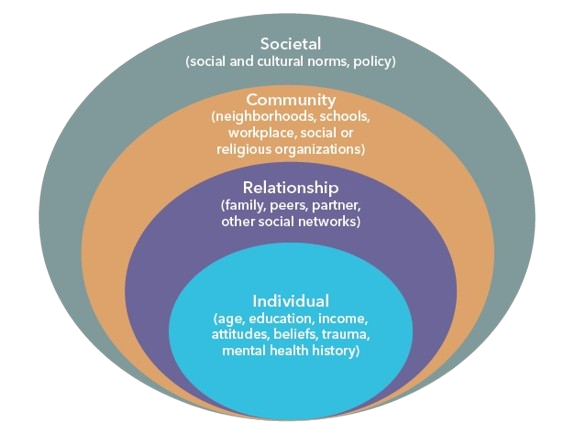
Social Ecological Model that Eddy referenced.
What psychological factors do you think are often overlooked in the development of eating disorders, particularly in different demographics like age, gender?
“I think probably the biggest one is that because of the kind of research that was done on eating disorders, it's often been thought of as something that only impacts white women. But that's because a lot of the research that was working with people that have eating disorders were more affluent white people. And so it kind of became like this rich white girl thing. But it's not. I mean, eating disorders really are equally prevalent across different race, racial groups. They affect men and women. There's so much more diversity within the people that are impacted by this. But that's probably the biggest one of anything is that, especially when you see eating disorders represented on television, it's often going to be a white teenage girl.”
Why is it difficult to accurately diagnose disorders like eating disorders, and how does the complexity of symptoms challenge our understanding of their causes?
“You may often hear people say “Oh I’m so OCD, or I'm ADHD today.” or something like that, right? So we all manifest parts of lots of disorders, right? But when you actually have a disorder, what does that mean? One key hallmark of a disorder is that you are significantly impaired when you have this state. So it's like a switch and the switch can be turned on or switched off. When this is switched on, it's dark and off and you can’t do things you normally do. So some people think about disorders that way. There's a point where you have all these symptoms, but they get to be so overwhelming that it does make it hard for you to have a life. You cannot function as well. You mess up at school, you're not doing so well at work. It's overtaking your life. Iit's this overwhelming sense that it's difficult to function. So is it only on a neurological level? Well, we don't know because that's the hypothesis that drives a lot of research today, that everything is biological. And obviously we're biological beings, but it's unclear whether one of the issues about having everything being biological and the corollary could be, if everything's biological then everything must have a pill that I can take that will solve the problem, right? But even with some disorders that we know about where pills can be helpful, like ADHD or depression, taking that medicine doesn't completely solve all your problems. Because our problems are complex, behavioral, they're cognitive, they're emotional. So one of the things about eating disorders is that they do impact you physiologically in the fundamental way, right? And so in that sense they are biological. But do you manifest an eating disorder because you have a genetic loading? Who knows?"
How can individual relationships and societal pressures influence the way we view body image and eating disorders, and what role can friends and family play in promoting acceptance and health?
“You've got so many layers that are coming at people that probably the best that can be done is to try to figure out how within a family or within a group of people your age, can you encourage people to be who they are and not worry about it and also try to be healthy. Because you can be unhealthy by being really thin, or you can be unhealthy by being not thin, but you can be thin or not thin and healthy if you do exercise and eat well and things like that. Probably the difference is the best type of making a difference is going to be in the individual relationships that you have with your friends and your family and trying to help people accept who they are in terms of their weight, rather than because you know that the media is always going to tell you you're not right, right? “You don't look great, you need to buy this so that you're better.” The whole system is set up around selling you something. And so for them to be successful, they want you to always feel like you're not exactly right because you need to buy their products. So we know we're not going to battle that one on the consumer/commercial media level. So it's going to have to be on the individual level.”
How do societal systems and relationships contribute to the development and perception of eating disorders?
“I think people in our society tend to think that when people have disorders, it's their problem as individuals rather than something bigger than that. Individuals are embedded within systems. . The idea here is that you as an individual are embedded in relationships within your family, within your friends, you know, within your community and then you're also embedded within organizations that you interact with like your school or my case work. And then those are embedded within a community which includes cultural values, norms, etc.”
What do you think is the most significant or what are the most significant challenges and keeping individuals engaged in recovery from eating disorders long term?
“I do think it's engaging towards the people that are going to be around that individual. Because there's a lot of behaviors around eating disorders that are secretive, and so you need to figure out a way to have individuals not be by themselves. The people around them have to be engaged in a part of things. And so that can be tough, you know, it's tough to get along with your parents, right? It's tough to have people in your face all the time as you get older and you want to be an adult. So, it's absolutely vital, I think, to figure out a way that whoever is the family for that individual is involved in helping in some way. And if the person goes to college, then the question is how does that happen at their office and school? Who is their support group there? You know, what is their way to connect them to support groups so that they're not in this alone. I think fighting this alone is very hard.”
Conclusion
When talking about eating disorders, there are almost no definite answers because of how complex they can be. It's a sensitive topic that may feel difficult to normalize discussions about. However, it's crucial for society to open their arms to those struggling and facilitate recovery and support as a community. As our HOSA group wrapped up the interview, we had gained an entirely new perspective that heightened the quality of our research on the psychological disorder that affects almost 10% of American citizens. We hope to connect to the rest of our community one step at a time in order to spread awareness and understanding on eating disorders. We are defined by our actions, decisions, and morals. We are not limited to our body shape, self-confidence, and criticism from society.
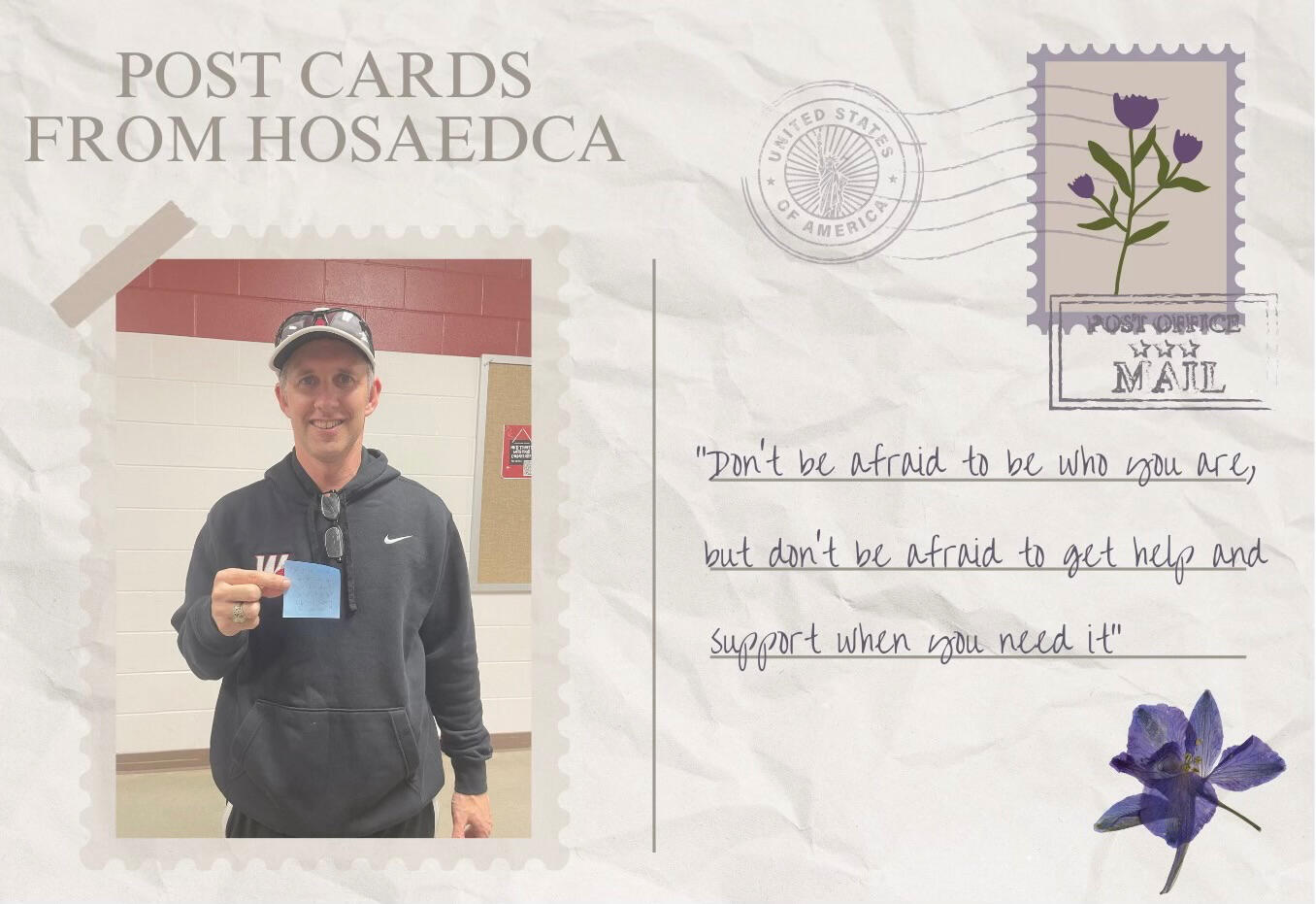
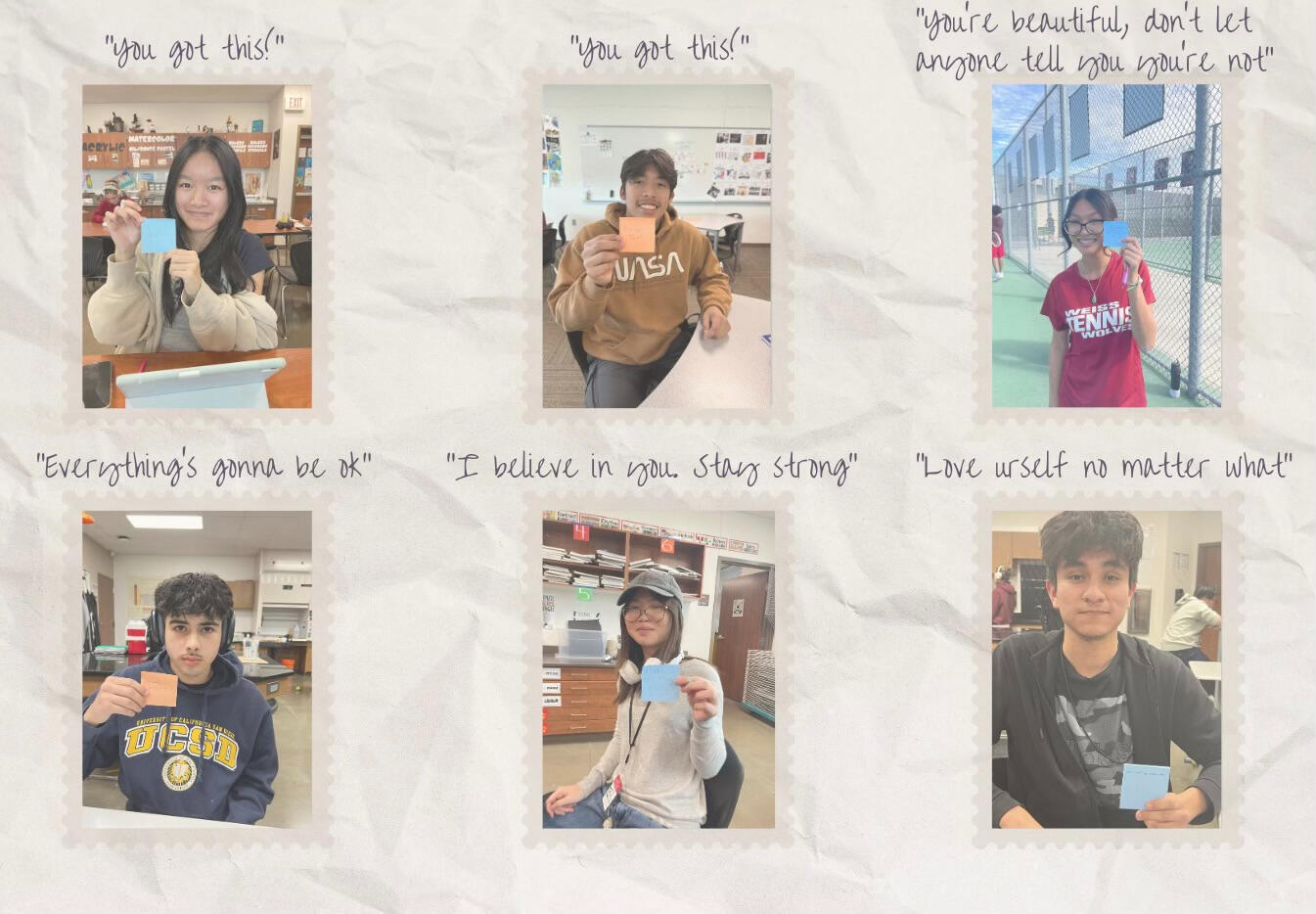
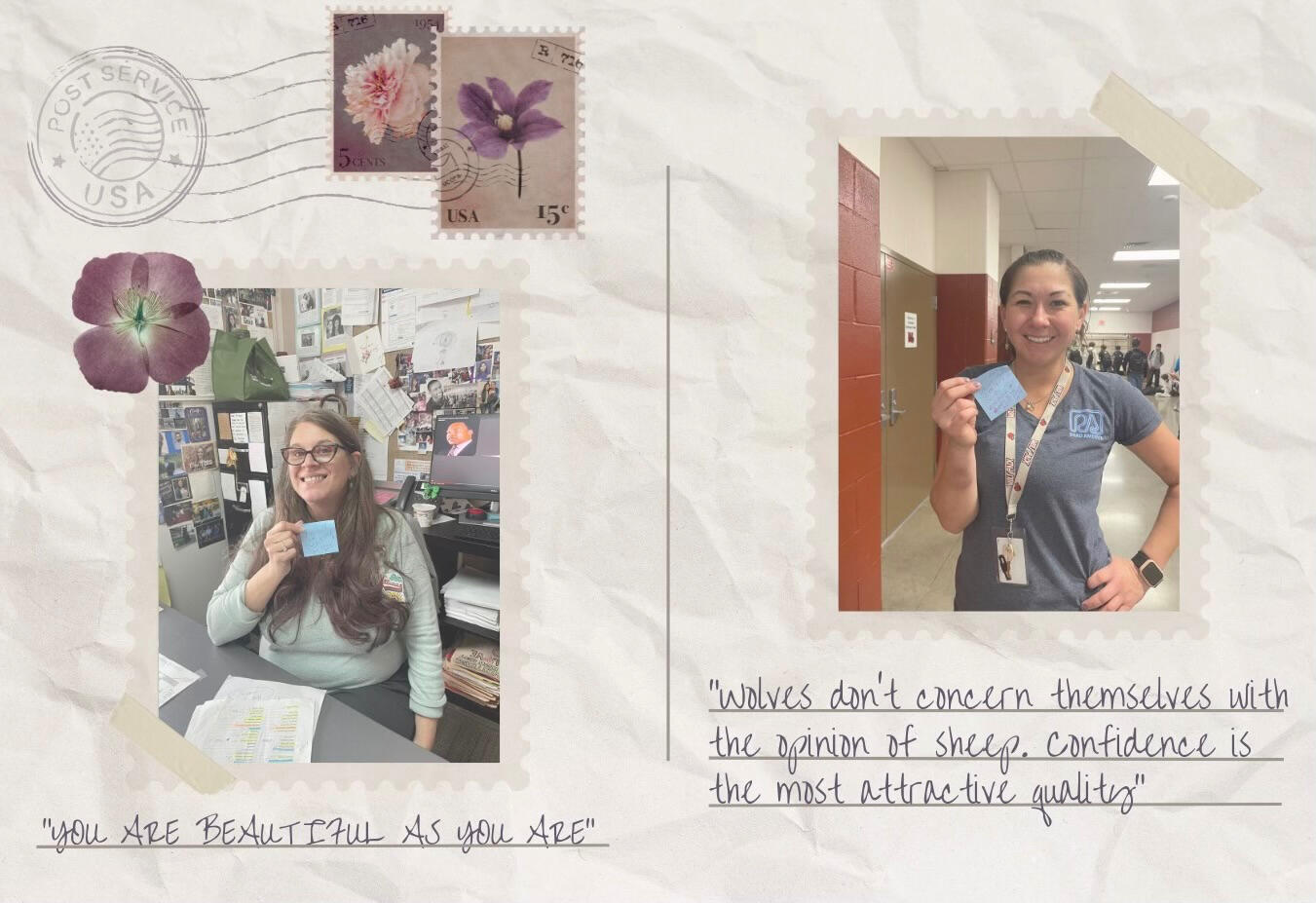
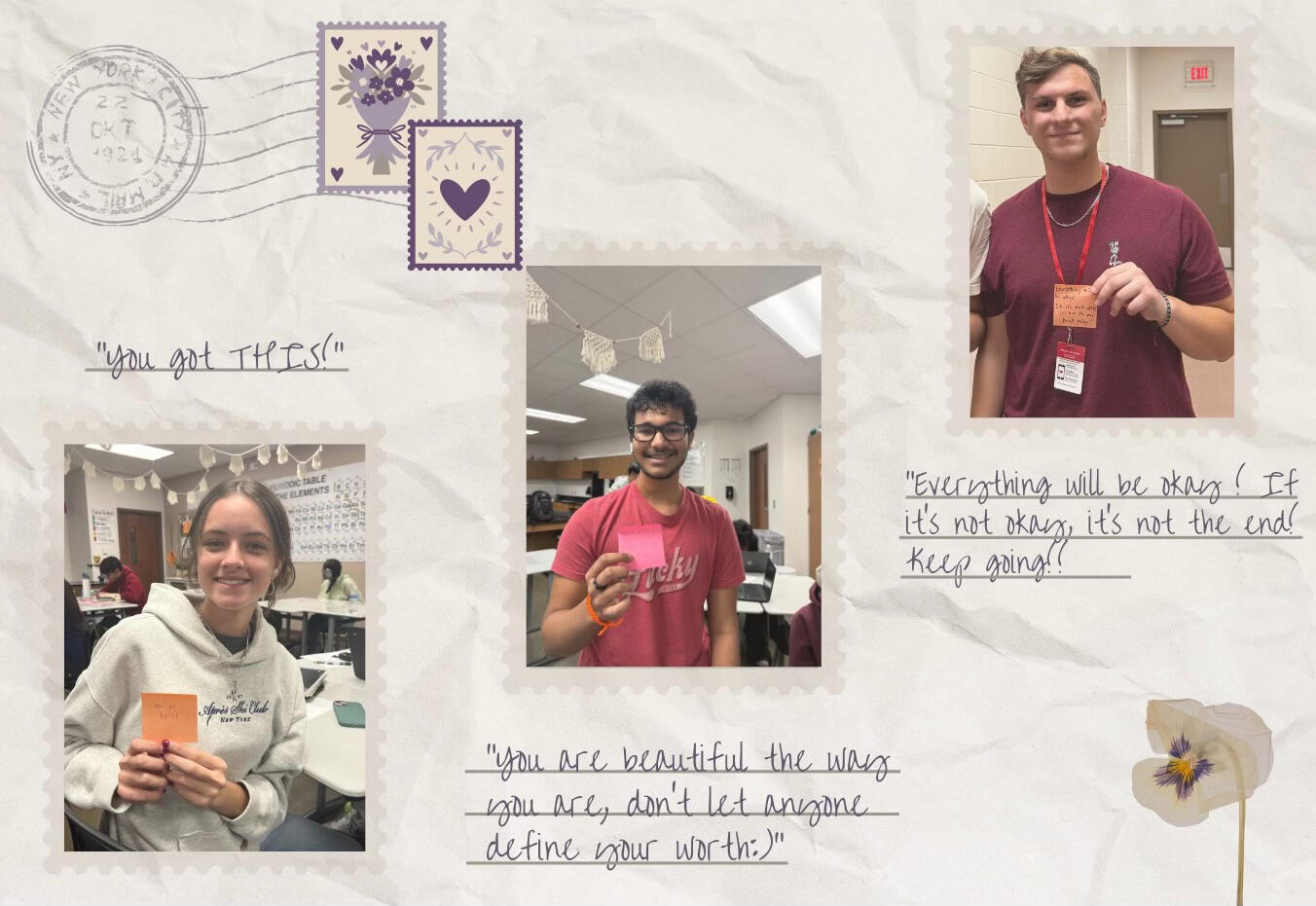
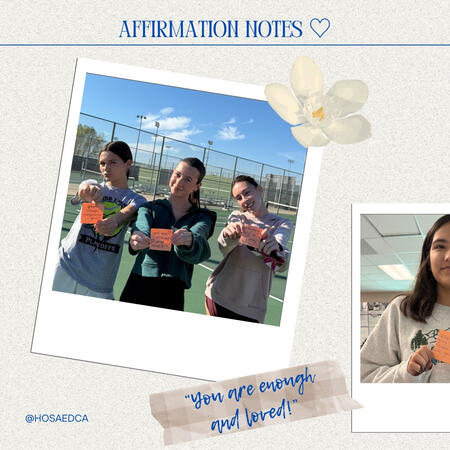
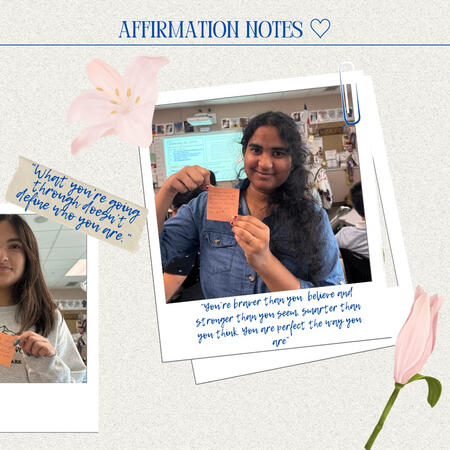
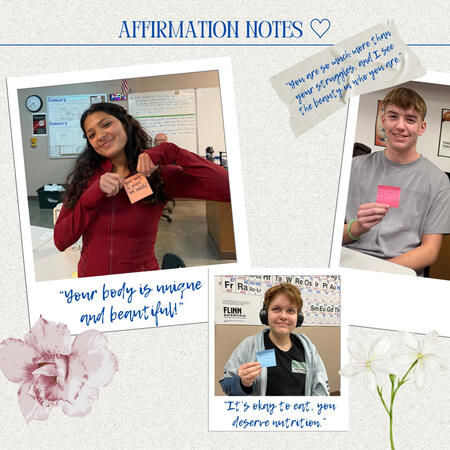
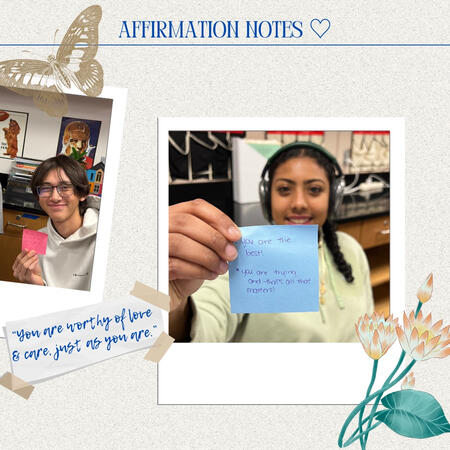
₊˚⊹♡ Letters of Love and Affirmations ⋆˙⟡♡